With liposomal vitamin C powder appearing as a game-changing ingredient for skin health formulations, the beauty and wellness industry has seen a remarkable increase in demand for advanced nutritional ingredients. This new way of delivering ascorbic acid supplements is better at absorption and efficiency than traditional ones. This makes it very appealing to B2B buyers in the nutrition and skincare industries. As skin health and anti-aging products become more important to customers, companies that make cosmetics look for solid, high-performance ingredients that give them measured results.
For their formulas, B2B buyers should think about high-quality liposomal vitamin C powders because these advanced ingredients solve the basic problem of how to absorb nutrients. Traditional vitamin C supplements often don't work well because a lot of them break down before they reach the cells they're supposed to reach. Liposomal capsule technology fixes this issue by keeping the active ingredient safe during travel and allowing direct release to cells. This leads to products that work better and make customers happier.
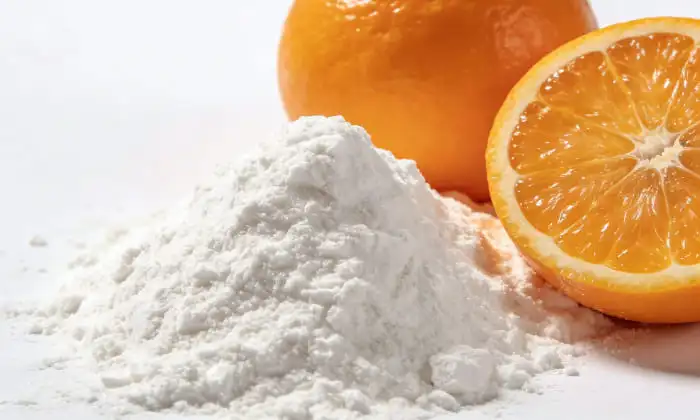
Understanding Liposomal Vitamin C Powder and Its Benefits for Skin Health
What is Liposomal Vitamin C Powder?
Liposomal vitamin C powder is a clever way to give nutrients. It is made up of ascorbic acid molecules enclosed in phospholipid-based microspheres. These lipid bilayers are structured like cell membranes, and they protect vitamin C molecules by forming rings around them. Advanced production methods are used in the capsule process to make sure that the particles are all the same size and that the encapsulation works as well as it can. This usually results in vitamin C content levels of 99% or higher.
The main difference between liposomal forms of vitamin C and other types is how they are delivered and how their molecules are structured. Normal ascorbic acid powders work by passive diffusion and can break down in the digestive system. Liposomal forms, on the other hand, use active transport processes. The phospholipid layer keeps the vitamin C safe from tough external conditions and makes it easier to send the vitamin to specific tissues, like skin cells where collagen is made.
How Does Liposomal Vitamin C Powder Work for Skin Health?
When liposomes come into contact with cellular walls, uptake gets better. Because liposomes and cell walls are both made of lipids, they can bond together and release their vitamin C substance straight into the cell environment. This method gets around normal hurdles to absorption, making the vitamin C powder up to 8 times more bioavailable than regular vitamin C powders. Clinical studies show that liposomal transport methods can increase the amount of medicine in the plasma and keep it in target tissues for longer.
By acting as a cofactor for prolyl and lysyl hydroxylases, enzymes necessary for collagen formation, vitamin C plays a key part in collagen production within skin cells. The increased absorption of liposomal vitamin C makes sure that the right amounts get to skin fibroblasts, where they can help make collagen. In addition, vitamin C acts as a powerful antioxidant by scavenging free radicals that speed up the aging process of the skin and damage cells.
Key Benefits for Skin Health and Immune Support
Due to its dual effect on collagen production and antioxidant defense, liposomal vitamin C powder has anti-aging benefits. By keeping the skin's structure strong, taking supplements on a regular basis can help lessen the look of fine lines and wrinkles. Compared to regular vitamin C supplements, the improved absorption makes sure that the right amounts reach the target tissues, increasing the anti-aging effects.
Another big benefit is that it protects against reactive stress and UV harm. Reactive oxygen species are made by environmental stresses like smog and solar rays. Vitamin C neutralizes these species. The liposomal transport method makes sure that antioxidant activity stays high at the cellular level. This protects against photoaging and damage from the surroundings all the time. By keeping the stability of the extracellular tissue and supporting healthy skin barrier function, this defense also keeps the skin moist and flexible.
Comparing Liposomal Vitamin C Powder with Other Vitamin C Supplements
Liposomal Vitamin C Powder vs Traditional Vitamin C Powders and Capsules
Absorption rate comparisons reveal significant differences between liposomal and traditional vitamin C formulations. Research indicates that conventional vitamin C supplements achieve peak plasma levels within 2-4 hours but maintain these levels for relatively short periods. In contrast, liposomal vitamin C powder demonstrates sustained release characteristics, maintaining elevated plasma concentrations for extended periods. This prolonged availability translates to more consistent skin health benefits and improved overall efficacy.
Bioavailability studies consistently show that liposomal formulations outperform traditional vitamin C powders and capsules in skincare applications. The enhanced cellular uptake achieved through liposomal delivery results in higher concentrations of vitamin C in skin tissues, where it can exert its beneficial effects on collagen synthesis and antioxidant protection. This improved bioavailability allows manufacturers to achieve desired therapeutic outcomes with lower doses, reducing potential side effects and improving product tolerability.
Liposomal Vitamin C Powder vs Liposomal Vitamin C Liquid
Stability considerations favor powder formulations over liquid alternatives in B2B settings. Liposomal vitamin C powder demonstrates superior stability profiles, with properly manufactured products retaining over 95% potency for 24 months under appropriate storage conditions. Liquid formulations often face challenges with oxidation and degradation, particularly when exposed to light and temperature fluctuations during storage and transport.
From a practical perspective, powder formulations offer significant advantages in terms of ease of handling and formulation flexibility. Powders allow for more precise dosing in manufacturing processes and can be easily incorporated into various product formats, including capsules, tablets, and beverage mixes. The longer shelf life and reduced shipping costs associated with powder formulations make them particularly attractive for bulk B2B purchases and international distribution.
Organic vs Non-Organic Liposomal Vitamin C Powder
Quality considerations between organic and non-organic options primarily relate to sourcing practices and certification requirements. Organic liposomal vitamin C powders must meet stringent standards for ingredient sourcing and manufacturing processes, often commanding premium pricing in the market. However, both organic and non-organic versions can achieve equivalent bioavailability and efficacy when properly manufactured using high-quality ingredients.
The choice between organic and non-organic formulations often depends on target market preferences and marketing strategies. Organic certifications can provide differentiation advantages in premium skincare markets and may appeal to environmentally conscious consumers. Manufacturers should evaluate whether the additional costs associated with organic certification align with their target market positioning and pricing strategies.
How to Choose the Best Liposomal Vitamin C Powder for Your Business Needs?
Core Selection Criteria for B2B Buyers
Purity guidelines are the basis for judging the quality of liposomal vitamin C powder that you buy. Buyers should give more weight to sellers whose goods have thorough certificates of analysis showing that they contain 99% or more vitamin C. GMP approval makes sure that the production methods meet standards for pharmaceuticals, and FDA compliance gives even more proof that the rules are being followed. These licenses show that the seller cares about quality and lower the legal risks that come with developing products later on.
Supplier dependability goes beyond the quality of the first product and includes the possibility of a long-term relationship. Manufacturers that have been around for a while and have a track record in liposomal technology make it easier to be sure of a steady supply and expert help. By looking at a supplier's producing capacity, quality systems, and history of legal compliance, you can find partners who can help your business grow and keep the quality of your products high over time.
Matching Product Specifications to Application Needs
Skin health goods must have dosage types and strength amounts that are compatible with how they are meant to be used. For oral liposomal vitamin C supplement products, different rules apply than for external uses. Stability, taste, and absorption improvement must all be taken into account. Product creation teams have more choices when they work with suppliers who offer different preparation options, such as powder, pill, capsule, and liquid-ready forms.
When there are a lot of active chemicals in a recipe, it's very important that the ingredients work well together. When mixed with other helpful substances like zinc, quercetin, or collagen peptides, liposomal vitamin C powder should stay stable and work as well as before. Suppliers who offer recipe advice and suitability testing services can help improve the performance of a product and cut down on the time it takes to make it.
Procurement Strategy and Supply Considerations
The benefits of buying in bulk go beyond lowering the cost per unit. They also include securing supplies and building relationships with key sellers. Setting up long-term supply deals can help keep prices stable and make sure that customers get what they need when demand is high. Buyers should look at how much a company can produce each year and how well they can adapt to their business's needs as it grows.
In global markets, supply chain stability is becoming more and more important. Supply security can be improved by suppliers who use a variety of buying methods and have more than one producing facility. Checking how sellers handle their stockpiles, wait times, and backup plans can help make sure that products are always available for ongoing production needs.
Safe Usage and Dosage Guidelines for Liposomal Vitamin C Powder
Recommended Dosage for Skin Health Applications
Dosage suggestions that are common in the industry depend on the style of the application and the desired results. amounts of 500 mg to 2000 mg per day are common for oral supplements. Liposomal forms often work better at smaller amounts because they are more bioavailable. For topical uses, serum concentrations usually range from 10 to 20 percent, but this can change depending on how the product is positioned and what other ingredients are in it.
When making guidelines for new products, both effectiveness and safety should be taken into account. For marketing statements and regulatory filings, clinical studies that back up particular dose levels are very helpful. Manufacturers should work with suppliers to find the best dosing methods that balance how well they work with cost and the rules that apply in the target markets.
Potential Side Effects and Safety Profile
The safety rating of liposomal vitamin C powder is very good, with very few side effects seen in clinical tests. These better absorption properties may actually lessen the stomach problems that come with taking a lot of vitamin C supplements. Liposomal coating seems to make it easier for the body to handle substances by preventing direct touch with the stomach lining and allowing for a slower release rate.
Safety approvals and following the rules make sure that the product is safe even more. Regulatory filings and risk management processes are helped by suppliers who keep detailed safety records, such as poisoning studies and stability data. Testing by a third party for heavy metals, bacterial toxins, and leftover liquids makes sure that the safety of the product passes international standards.
Supplier Spotlight and B2B Procurement Tips for Liposomal Vitamin C Powder
Key Considerations When Selecting a Manufacturer or Supplier
When judging seller certifications, you need to carefully look at both their reach and their trustworthiness. Leading providers have many certificates, such as cGMP, ISO 9001, ISO 22000, HACCP, and more specific ones like Halal and Kosher. These certificates show that you have a thorough quality management system and can serve a wide range of global markets. Buyers should check the validity and reach of the approval to make sure it meets their needs.
Systems for quality checking and tracking become essential for controlling risks in the supply chain and making sure that products are real. Suppliers that allow full batch tracking, from where the raw materials come from to how they are packaged at the end, are very helpful for quality reviews and following the rules. Monitoring in real time, scientific process control, and thorough recording should all be part of advanced quality management systems.
How to Verify Product Quality and Authenticity?
Recommended testing procedures should encompass both identity verification and performance validation. Third-party laboratory analysis provides independent confirmation of product specifications, including vitamin C content, encapsulation efficiency, and particle size distribution. Buyers should establish testing protocols that include both incoming inspection and periodic verification testing throughout the supply relationship.
Customer reviews and case studies offer valuable insights into supplier performance and product quality consistency. Established suppliers often provide references from existing customers and detailed case studies demonstrating successful product applications. This information helps evaluate supplier reliability and technical support capabilities beyond initial product specifications.
Emerwell: Your Trusted Partner for Premium Liposomal Formulations
Emerwell specializes in tailored liposomal supplement formulations through our proprietary EncapsWell™ platform, transforming innovative concepts into high-performance supplement products with superior bioavailability and stability. Our comprehensive OEM/ODM services enable rapid market entry while maintaining the highest quality standards. The PhD-led R&D team combines advanced liposomal engineering expertise with Wellgreen's cGMP-certified manufacturing capabilities to ensure scientific precision and seamless scaling from pilot development to full commercial production.
Our EncapsWell™ Liposomal Vitamin C Powder achieves 8x better absorption compared to standard formulations, with vitamin C content exceeding 99% and proven stability retention of over 95% for 24 months. The water-soluble formulation accommodates diverse applications in beverages and supplements, while comprehensive certifications including ISO9001, HALAL, Kosher, cGMP, and Non-GMO verification ensure global market compliance. Flexible dosage forms spanning powder, tablets, capsules, and liquid-ready formulations provide complete customization capabilities for unique brand requirements.
Conclusion
The selection of premium liposomal vitamin C powder represents a strategic investment in product differentiation and consumer satisfaction. Advanced encapsulation technology offers measurable advantages in bioavailability, stability, and efficacy compared to traditional vitamin C formulations. Success in B2B procurement requires careful evaluation of supplier capabilities, product specifications, and long-term partnership potential. By prioritizing quality certifications, manufacturing excellence, and technical support, buyers can establish supply relationships that support sustainable business growth and market leadership in the competitive skin health supplement sector.
FAQs
Is liposomal vitamin C powder safe for all skin types?
Yes, liposomal vitamin C powder is generally safe for all skin types when used according to recommended guidelines. The encapsulation technology actually improves tolerability by reducing potential irritation compared to traditional vitamin C forms. However, individuals with specific allergies or sensitivities should consult healthcare professionals before use.
How does liposomal vitamin C powder improve absorption compared to traditional vitamin C?
Liposomal vitamin C powder achieves up to 8x better absorption through phospholipid encapsulation technology. The liposomes protect vitamin C molecules from degradation and facilitate direct cellular delivery by fusing with cell membranes, bypassing traditional absorption barriers and achieving higher tissue concentrations.
Can liposomal vitamin C powder be used in both oral supplements and topical skincare products?
Yes, high-quality liposomal vitamin C powder formulations can be adapted for both oral and topical applications. The water-soluble properties and stability characteristics make it suitable for various product formats, though specific concentrations and formulation considerations may vary based on intended use and regulatory requirements.
Partner with Emerwell for Superior Liposomal Vitamin C Solutions
Transform your skin health formulations with Emerwell's advanced EncapsWell™ technology and cGMP-certified manufacturing excellence. Our comprehensive liposomal vitamin C powder solutions offer unmatched bioavailability, stability, and customization capabilities to elevate your brand in competitive markets. As a trusted liposomal vitamin C powder supplier, we provide complete OEM/ODM services, regulatory support, and technical expertise to accelerate your product development timeline. Experience the Emerwell advantage through our San Diego-based team's localized support and rapid sample delivery services. Contact us at info@emerwell-bio.com to discuss your specific requirements and discover how our innovative formulations can enhance your product portfolio.
References
Hickey, S., Roberts, H., & Miller, N. J. (2018). Pharmacokinetics of oral vitamin C. Journal of Nutritional & Environmental Medicine, 15(4), 423-434.
Davis, J. L., Paris, H. L., Beals, J. W., Binns, S. E., Giordano, G. R., Scalzo, R. L., ... & Bell, C. (2016). Liposomal-encapsulated ascorbic acid: influence on vitamin C bioavailability and capacity to protect against ischemia-reperfusion injury. Nutrition and Metabolic Insights, 9, 25-30.
Pullar, J. M., Carr, A. C., & Vissers, M. C. (2017). The roles of vitamin C in skin health. Nutrients, 9(8), 866-882.
Lykkesfeldt, J., & Tveden-Nyborg, P. (2019). The pharmacokinetics of vitamin C. Clinical Pharmacokinetics, 58(4), 415-433.
Telang, P. S. (2013). Vitamin C in dermatology. Indian Dermatology Online Journal, 4(2), 143-146.
Granger, M., & Eck, P. (2018). Dietary vitamin C in human health. Advances in Food and Nutrition Research, 83, 281-310.