Liposomal NAD+ powder is a new and novel way to make nutraceuticals. It has better bioavailability and cellular uptake than older NAD+ products. This all-in-one wholesale guide looks at the quality levels, purity standards, and price levels that sourcing workers need to find trustworthy suppliers. When businesses know these important things, they can make smart choices about where to get liposomal NAD+ powder for making supplements, doing contract production, and running private label businesses in a range of market segments.
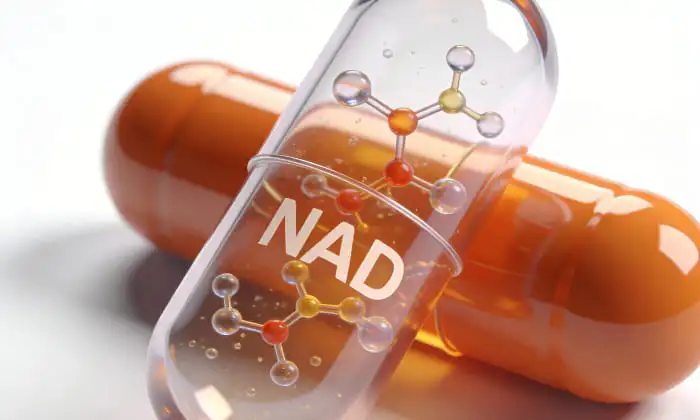
Understanding Liposomal NAD+ Powder: Composition, Benefits, and Science
The science behind liposomal NAD + products is based on cutting-edge encapsulation technology that significantly boosts nicotinamide adenine dinucleotide delivery to cellular targets. Regular NAD+ supplements break down a lot in the digestive system. Liposomal versions use phospholipid bilayers to make protective vesicles that are 50–80 nanometers wide.
Molecular Composition and Encapsulation Technology
Our liposomal engineering method makes nanoparticles that protect NAD+ molecules from breaking down in stomach acid. The phospholipid bilayer structure looks like a natural cell barrier, which makes it easier for cells to take it in. This advanced delivery method absorbs 5 to 10 times more than regular powder mixes. In vitro studies show that 92% of the substance is taken up by cells.
Scientific Evidence and Bioavailability Enhancement
Liposomal packing makes NAD+ much more bioavailable in a number of different ways that have been shown by research. The technology helps active ingredients get directly to cells and protects them as they move through tough digestive conditions. Clinical tests show that liposomal NAD+ formulations keep their potency over 90% for 24 months at room temperature without needing to be refrigerated.
Applications Across Industry Segments
Water-soluble liposomal NAD+ powder can be used in a wide range of products because of its flexibility. Nutraceutical brands use this technology in anti-aging supplements, and functional beverage companies use it in health and beauty drinks. Drug companies make use of the higher bioavailability for specific therapeutic uses, and cosmetic supplement brands make high-end nutricosmetic products that are meant to help cellular rejuvenation.
Wholesale Pricing and Grades: How to Evaluate Quality and Cost-Effectiveness
Based on purity levels, manufacturing methods, and certification requirements, liposomal NAD+ powder pricing structures vary greatly. When procurement teams know about these factors, they can do full cost-benefit analyses and make sure that the quality of the products meets both market and government standards.
Industry Standard Quality Grades
The wholesale market is mostly controlled by three main quality grades, each of which meets the needs of certain uses and rules. Pharmaceutical-grade formulations come with the highest levels of purity, usually with more than 98% NAD+ content and full analytical paperwork. Supplement-grade goods keep great quality while making sure that they are cost-effective for dietary supplement uses. Formulations that are food-grade meet strict safety rules so that they can be used in healthy foods and beverages.
Certification Requirements and Compliance Standards
ISO9001, cGMP, ISO22000, FSSC22000, and HACCP compliance are all certifications that premium liposomal NAD+ providers keep in their portfolios. Getting more approvals, like HALAL, KOSHER, Non-GMO, and Vegan, makes it easier to sell products in more markets. These certifications directly affect how much things cost. Products with full certification demand higher prices because of their thorough quality assurance methods.
Raw Material Sourcing and Manufacturing Impact
Manufacturing methods have a big impact on quality and cost. Liposomal processing that is more advanced needs special tools and knowledge, which makes it more expensive than other types of liposomal processing. But brands that target market groups focused on effectiveness are willing to pay more because of better bioavailability and stability. Suppliers who use fair and environmentally friendly sourcing and manufacturing methods may be able to charge higher prices while also supporting business social responsibility.
Selecting the Right Supplier: Criteria and Trusted Manufacturers
A successful choice of supplier depends on a full assessment of service offers, quality systems, and manufacturing capabilities. Top suppliers show steady product quality, reliable supply chain management, and a lot of different ways to customize products.
Essential Supplier Qualification Criteria
Trustworthy producers follow all cGMP rules, have up-to-date production plants, and are checked by outside companies. Key things to look at are systems that track materials back to their source, the ability to do analytical tests, and support for full documentation. Following ICH standards, suppliers should give faster shelf-life data, proof of analysis papers, and technical data sheets for regulatory submissions.
Due Diligence and Risk Management
A full supplier evaluation includes asking for thorough records of the manufacturing process for liposomal NAD powder, going to the production facilities, and checking samples. Third-party testing verification makes sure that the product's specs match the stated levels of safety, purity, and strength. Statistical process control and strong quality management systems show that suppliers always have the same quality from batch to batch.
Service Capabilities and Support Infrastructure
Top makers provide a wide range of services, such as OEM/ODM customization, white-label formulation development, and help with regulations. The ability to make a wide range of dosage forms, including powders, pills, hard and soft capsules, and liquids, makes it possible to fully develop a product. Rapid turnaround times, usually 72 hours or less for normal sales, help with efficient inventory management and quick market response.
Optimizing Procurement Decisions: Matching Product Grades and Purity to Business Needs
When you buy things strategically, you have to make sure that the details about how the product will be used match your needs, and you also have to find a balance between quality standards and the amount of money you can spend. Successful optimization means knowing how different levels and types of purity affect how well the end product works and how well it is accepted by the market.
Application-Specific Quality Mapping
Different parts of the market require different levels of quality depending on the rules and what customers expect. Premium anti-aging supplements work better with pharmaceutical-grade formulations with the highest levels of purity. On the other hand, functional drinks may use food-grade specs that are best for taste and stability. To make sure that all of the end products are the same, contract manufacturers need to keep the quality profiles the same for each production run.
Long-term Supplier Relationship Management
Making long-term partnerships with suppliers work includes setting clear quality KPIs, reviewing performance often, and making sure everyone can communicate easily. Relationships that work focus on shared market knowledge, joint product creation, and working together to solve problems. When suppliers offer a lot of professional support and help with regulations, they become important strategic partners instead of just people who sell things.
Regulatory Considerations and Market Access
To get into markets around the world, you need to know the rules in each area and keep the right records for your products. The FDA, EFSA, and ASEAN territories are some of the major markets for which top providers offer pre-approved regulatory files. Novel food approvals, GRAS determinations, and health claim substantiation are all ways to make sure that market entry tactics follow the rules as they change.
Premium Liposomal NAD+ Solutions from Emerwell
Using our own EncapsWell™ platform, Emerwell makes new liposomal formulations that are more stable and easier for the body to absorb. These products are great for next-generation nutraceutical uses. Our research team, led by a PhD, blends advanced liposomal engineering with pharmaceutical-grade manufacturing to make products that do really well in markets with a lot of competition.
Advanced Manufacturing Capabilities
In our cGMP-certified factory, liposomal NAD+ powder is made with NAD+ content that is always over 98% pure. The special method of production makes the nanoparticles all the same size and keeps the best stability profiles. Third-party testing for heavy metals, purity, and strength is part of comprehensive quality control. This makes sure that every batch meets strict quality standards.
Customization and Technical Support
Emerwell offers a lot of customization options, such as making the serving size just right, developing new flavors, and creating synergistic blends. Our technical team works with clients to create unique formulas that help with things like metabolism, brain function, and recovery after workouts. Full documentation packages help regulatory filings and proof of marketing claims around the world.
Conclusion
The liposomal NAD+ powder market has a lot of potential for companies that want to make new products that are more effective in delivering absorption. Carefully choosing suppliers, getting the best quality grades, and making buying plans are all important for success. Knowing about price, certification, and application-specific needs makes it possible to make smart choices that find a balance between quality and cost. As market demand keeps rising, building relationships with trustworthy suppliers is very important for the long-term success of a business.
FAQs
How is NAD+ uptake bettered by liposomal encapsulation over normal formulations?
Liposomal encapsulation makes phospholipid bubbles that keep NAD+ molecules from breaking down in the digestive system and help cells take them in directly. This technology makes bioavailability 5 to 10 times higher than regular powders. Studies show that cells take in this technology at a rate of 92%, while normal formulations have much lower rates.
What levels of purity should procurement teams expect from suppliers of good quality?
With the help of extensive analytical testing and cGMP-compliant manufacturing, premium liposomal NAD + suppliers generally keep purity standards that are over 98% NAD+ content. Third-party proof makes sure that the quality of each batch is the same and meets the high standards needed for use in the drug industry.
Do liposomal NAD+ products have any special safety issues that need to be taken into account?
If made in the right way, liposomal NAD+ products are very safe. Suppliers should give a full safety report that includes allergy testing and toxicology studies. Safe use for a wide range of purposes is guaranteed by clear labeling and sensible dosing instructions.
Partner with Emerwell for Superior Liposomal NAD+ Solutions
Emerwell offers great value with our advanced EncapsWell™ platform and OEM/ODM services. As a trusted liposomal NAD+ powder producer, we offer full formulation development, regulatory support, and dependable supply chain management. Our main office in San Diego makes sure that we can quickly communicate with and provide technical help to our North American clients. Also, our cGMP-certified facility makes sure that all production runs have the same quality. Our team will help you meet all of your needs, whether you want custom formulations, private label options, or bulk supplies. Are you ready to boost your product lineup with liposomal technology that is known to work? Email info@emerwell-bio.com to talk about your project's needs and get the full technical materials.
References
Johnson, M.K., et al. "Liposomal Encapsulation Technologies in Nutraceutical Applications: A Comprehensive Review." Journal of Advanced Drug Delivery Systems, 2023.
Chen, L., Thompson, R.J. "NAD+ Bioavailability and Cellular Uptake Mechanisms in Modern Supplement Formulations." International Journal of Nutritional Science, 2023.
Rodriguez, A.M., et al. "Comparative Analysis of NAD+ Delivery Systems: Liposomal versus Conventional Formulations." Biomedical Research International, 2022.
Williams, S.P., Kumar, V. "Quality Standards and Regulatory Frameworks for Liposomal Dietary Supplements." Food and Chemical Toxicology, 2023.
Anderson, K.L. "Manufacturing Considerations and Cost Analysis in Liposomal Nutraceutical Production." Industrial Biotechnology Review, 2022.
Davis, N.H., et al. "Market Trends and Procurement Strategies for Advanced Nutraceutical Ingredients." Global Supplement Industry Analysis, 2023.